
The Silicon Valley Pivot South: Argentina-South
A recent visit to Nueva Cordoba, the vibrant, high-density neighborhood in Cordoba, Argentina known for its energy, cafes, and massive student population anchored by the Universidad Nacional de Cordoba, made it clear that Argentina's intellectual and tech engine is humming and it's loud. The coffee shops along Avenida Hipolito Yrigoyen were packed with students and remote workers, laptops open, and the energy was impressive. I could not help and think that American technology capital is no longer coming here just to build software or hire inexpensive dev teams; it is anchoring itself physically, operationally, and legally across the entire country.
For the last two decades, Silicon Valley viewed Latin America through a limited, satellite-office lens. You launched a regional consumer app, hired remote developers in Buenos Aires or Cordoba, and kept executive leadership back in the United States. That model is changing. Tech figures, venture capital syndicates, and founders are moving past treating Argentina as a simple talent pool or consumer market. They are embedding real physical capital, acquiring strategic land holdings, and building autonomous operational hubs across the Southern Cone. Silicon Valley investor Peter Thiel, a long-time proponent of sovereign hedging, regulatory arbitrage, and territorial diversification, embodies a growing mindset among tech leaders looking for geopolitical hedges outside traditional Northern Hemisphere hubs.
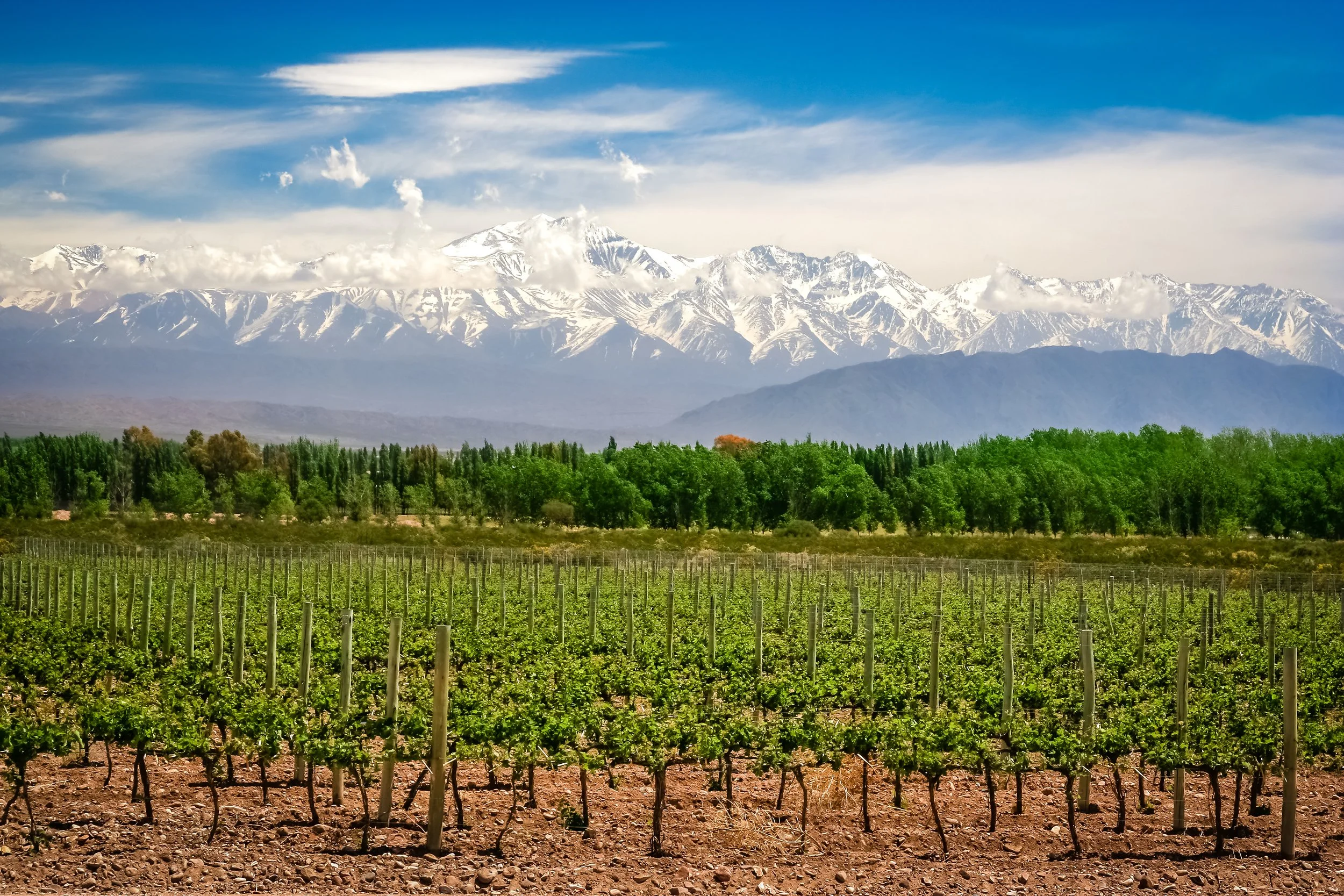
Projects like Wamani demonstrate just how deep this physical commitment has become. Founded by serial tech entrepreneur Martín Varsavsky alongside international co-investors including Alec Oxenford and KIND founder Daniel Lubetzky, Wamani spans 32,000 hectares in Mendoza's gorgeous Valle de Uco. Designed as a self-sustaining tech-and-lifestyle enclave, it integrates solar microgrids, satellite connectivity, off-grid agriculture, and physical isolation with high-end infrastructure. From urban tech corridors in Nueva Cordoba to sovereign mountain retreats in Mendoza, tech capital is building permanent, hedge-ready infrastructure in Argentina. There is also Buenos Aires, Latin America’s crypto leader, where about 20% of Argentines use digital assets (mostly stablecoins against inflation) and a tech scene of 1,200+ companies and 115,000+ developers is rebounding on early-stage fintech, agtech and AI funding.
The investment numbers support this, though it is arriving through venture capital rather than corporate campuses. In 2026, New York’s Insight Partners, California’s Goodwater Capital and Y Combinator, and Endeavor Catalyst backed Argentine startups Pomelo, Humand and Tapi in rounds of $27 to $66 million. The Gates Foundation made its first-ever Argentine investment in agtech firm Puna Bio, and Amazon Web Services has put $48 million into startup programs in Cordoba, Mendoza and beyond. The bigger prizes, OpenAI’s proposed $25 billion Patagonia data center and a full AWS cloud region, are still waiting on the government’s “Super RIGI” incentive law. Each deal already brings U.S. investors and founders south for board meetings and site visits, the leading edge of the physical footprint to come.
The movement of U.S. tech capital south possibly rests on three pillars: unmatched talent density, with English fluency and time-zone alignment; investor protection incentives like the RIGI (Regimen de Incentivos para Grandes Inversiones), which is designed to lower barriers to foreign direct investment and physical asset acquisitions; and geopolitical isolation and safe-haven status. Far removed from Northern Hemisphere conflict zones, rich in natural resources, and offering vast spatial retreats in regions like Mendoza and Patagonia, Argentina has become a primary target for wealth preservation and physical risk hedging.
The Security Imperative: Safeguarding the New Footprint
As tech executives move from holding digital assets to managing complex physical properties and operations in Argentina, their operational risk profile changes completely. In my experience, the tech principal enjoys a low-profile security posture offered by culturally aware and sensitive security professionals. In other words, individuals who can read the room, the culture, and their place within it. As tech executives move from digital ventures to complex physical footprints in Argentina, safeguarding them requires more than standard fly-in security protocols.
Managing seamless, discreet protection across urban financial districts in Buenos Aires, fast-moving tech hubs in Cordoba, and isolated mountain enclaves in Mendoza demands deep local intelligence and true operational integration on the ground. For U.S. security directors and executive protection firms, the key to scaling effectively in the Southern Cone isn't bringing only stateside tactics abroad, it is building trusted in-country networks that understand the regional terrain, anticipate localized risks, and execute dynamic, low-profile logistics. U.S. firms that master these regional dynamics early will position themselves as indispensable partners as American technology capital continues to anchor deep into Argentina.